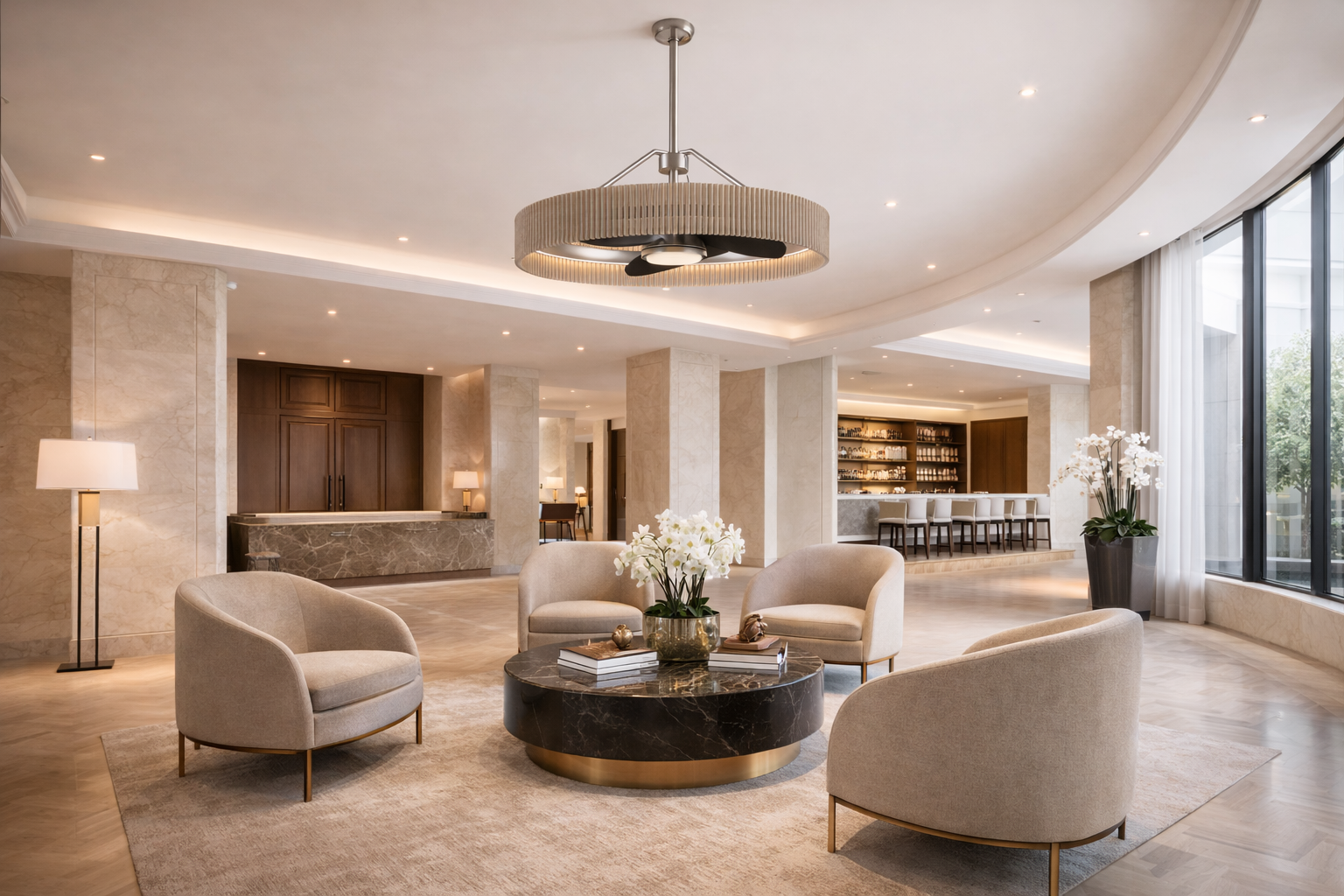
The Practicality of Indoor Decorative Ceiling Fans
Beyond their looks, decorative ceiling fans offer real year-round benefits: energy savings, dual summer/winter modes, quiet operation, and convenient remote control.
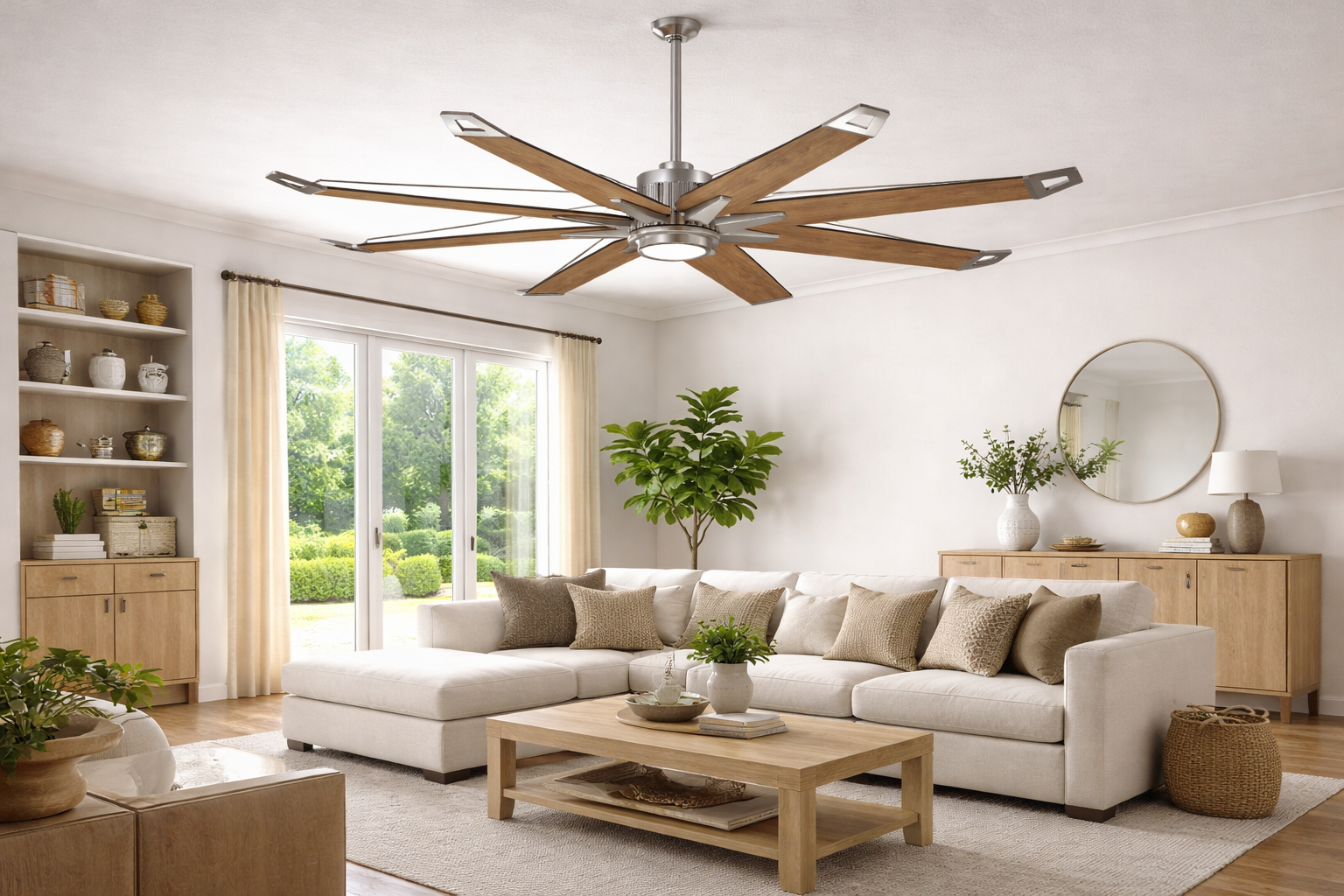
Decorative ceiling fans are far more than just attractive light fittings. Here is a clear look at the practical benefits they offer throughout the year.
A. Energy Saving
With energy prices rising and environmental awareness growing, high-power appliances like air conditioners are increasingly expensive to run. One air conditioner consumes as much electricity as approximately 20 ceiling fans. When the temperature does not exceed 30°C, a ceiling fan alone is often sufficient to create a comfortable environment — with no need for air conditioning at all.
Research has also shown that running a ceiling fan alongside an air conditioner reduces the air conditioner's load significantly, allowing you to raise the thermostat by 2–4°C without any loss of comfort. This combination can cut air conditioning running costs by 40–50% compared to using the air conditioner alone, and it also eliminates the sharp temperature difference between indoors and outdoors that can cause colds and respiratory discomfort.
B. Works in Both Summer and Winter
Quality decorative ceiling fans include a forward/reverse switch that makes them genuinely useful in every season.
In summer, set the fan to rotate forward (the standard direction). The blades push air downward, creating a gentle breeze that makes the room feel noticeably cooler. In winter, set the fan to reverse. The blades draw cool air upward and push the warm air that has accumulated near the ceiling back down along the walls. Occupants do not feel a draught, but the room warms up more evenly and efficiently — reducing heating costs by 10–30%.
C. Quiet and Safe
Because quality decorative ceiling fans use high-grade silicon steel motor laminations, they run far more quietly than conventional ceiling fans. Wooden or ABS blades are also safer than metal blades in the unlikely event of a mechanical failure, adding an extra layer of peace of mind — particularly in homes with children.
D. Remote Control and Sleep Timer
Most decorative ceiling fan lights now come with a remote control as standard, allowing you to adjust speed and switch the light without leaving your seat or bed. The sleep timer function is particularly practical — set the fan to switch off after one, two, or four hours, and it will do so automatically overnight.